The Study of the Prevalence of Macular Pigment Optical Density Reduction in Type 2 Diabetes Mellitus
โพสต์เมื่อ : 4 ส.ค 2568 เวลา 6:52 น.
The Study of the Prevalence of Macular Pigment Optical Density Reduction in Type 2 Diabetes Mellitus
Hnin Le Khin, Karnt Wongsuphasawat
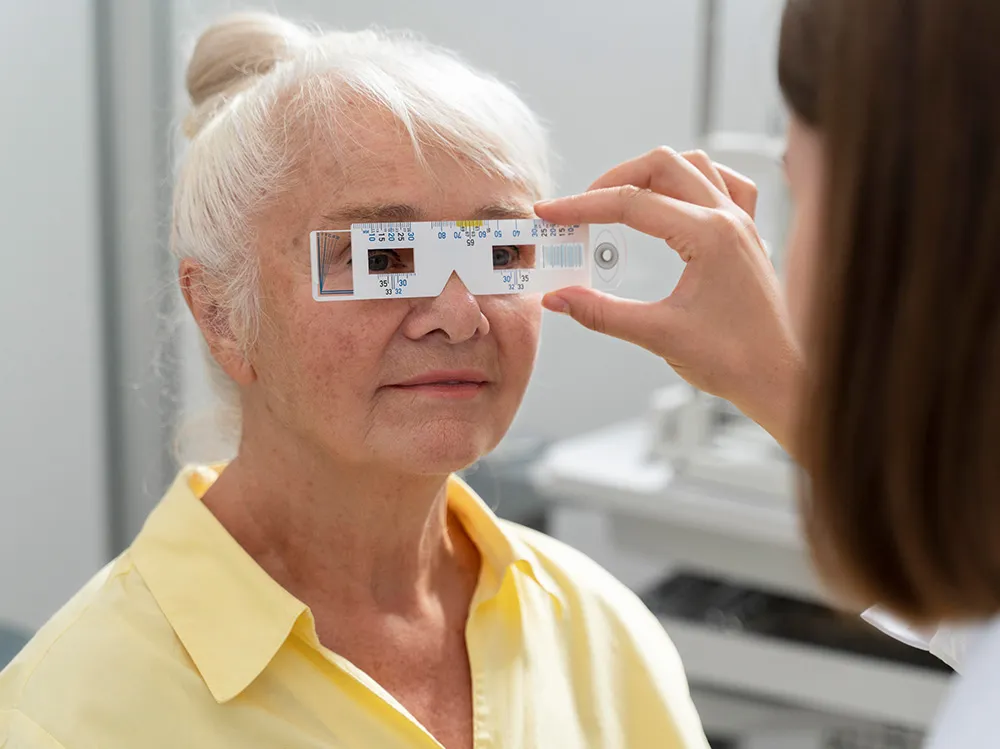
The study was designed to investigate the prevalence of macular pigment optical density(MPOD) reduction in Type 2 diabetes mellitus patients in Thailand. 82 patients of both genders, age 30-60 years with type 2 diabetes mellitus were recruited to this study. Macular Pigment Screener II (MPSII) was used to measure the macula pigment density level of the volunteers. In addition, the participants completed a questionnaire pertaining to the various physical, ocular, lifestyle, dietary and environmental factors that may be associated with MPOD. If there was previous laboratory measurements of within one week, Glycosylated haemoglobin (HbA1c), Fasting Blood Sugar (FBS) and serum lipid profile were taken after 8 hours of night fasting. The mean absolute MPOD of type 2 diabetes mellitus patients was 0.37 ± 0.22. Among 82 participants of type 2 diabetes mellitus, the prevalence rate was 61% ( n=50) which had the MPOD value of < 0.43 DU. No significant correlations were found between MPOD and FBS, HbA1c, duration of diabetes mellitus or serum lipid levels. There was significant association between Absolute MP value and concurrent history of having Hypertension (χ2=5.304, p value=0.021) but not with other parameters. There was significant correlation between absolute MP value and Age (r=0.262, p value=0.017) that shows the Absolute MP value and increasing age are positively related. There were no significant correlations with other several parameters. In conclusion, MPOD is reduced in type2 diabetes mellitus patients than normal people of Thailand. There were significant correlations between MP density and age plus current history of having Hypertension. However, there was no relation between MPOD and other parameters, for instance sex, gender, etc